
Chinese Herbal Medicine
Discover the many ways Chinese herbal medicine can improve your health without fear of side effects or dependence.
Find Internal Balance with Herbal Medicine
With over 2,000 years of recorded history and practice, Chinese herbal medicine is among the oldest and most thoroughly researched aspects of Traditional Chinese Medicine. This approach to healing has become more and more popular as people seek alternative medicines that naturally promote wellness and healing. We are excited to bring this peaceful practice to you and help you return your body to a state of balance that promotes self-healing.
Explore how herbal medicine can help you on your health journey:
Benefits of Herbal Medicine
There are many herbal medicine health benefits that allow your body to safely, and naturally heal itself. Pharmaceuticals can be very effective in treating many conditions, but can come with a long list of side effects, including dependency. Herbal medicine is a gentler way to work with your body to both heal ailments and help prevent conditions by supporting overall health.
Here are just some of the benefits of herbal medicine:
- Works biochemically. Its efficacy is scientifically documented around the world.
- Safe. Humans have been using herbs for tens of thousands of years.
- Does not cause dependency. Helps correct your imbalances, rather than just suppressing symptoms.
- Preventative. Supports and maintains optimal health.
- Helps everyone. Can be used to treat hard-to-diagnose problems or syndromes.
Types of Herbal Medicine We Offer
Our clinic’s pharmacy and herb store is stocked with over 250 herbs, herbal formulas, and supplements so we can offer you a custom formula to address any and all of your health needs. We also carry certain raw Chinese herbs, Chinese patent formulas (tablets or capsules), fertility and prenatal supplements, and CBD in various forms. There is a lot of information out there and you can purchase herbs from a number of sources, but we offer herbs from the very best US-based suppliers and a trained staff that will ensure your herbal treatment is thorough and safe, while also being effective.
Herbal Medicine
Chinese Herbal Medicine
Herbs are very powerful, but to be effective, they must be personalized for your particular situation, based on a proper diagnosis. During your first consultation, you and one of our herbalists will discuss your main concerns, how your body is functioning, and any other relevant pieces of your medical history.
After gathering this information, we will determine the best herbal formula to support your needs. Your herbalist will then prepare your formula, which will be available for pick-up the next day. We will continue to check in with you to track your progress, making any adjustments if needed, to ensure you are getting the maximum benefits of the herbal formulas. We may also recommend adding acupuncture, cupping, and/or moxibustion sessions to your treatment plan.
A Caring Team Focused On Your Healing
What We Treat
Herbal medicine brings harmony to the entire body and can bring relief for a number of conditions. Most often it is used as an effective treatment for fertility, menstrual regulation, mental and emotional health, pain, sleep and insomnia, and general well-being, but the benefits of these natural formulas improve a great number of conditions.
Fertility
Prenatal Care
Perinatal Care

Women's Health
Chronic & Acute Pain
Mental & Emotional Health
Sleep & Insomnia
Common Conditions Treated With Herbal Medicine
Herbal medicine is an effective therapy for a wide spectrum of conditions, from improving sleep and increasing energy to supporting women’s health and menstrual cycles. We’ll work with you to find an herbal formula that addresses your specific needs, whether they’re singular, multi-faceted, acute or chronic.
Consider an herbal consultation if you seek a natural, effective approach to any of the following:
- Fertility and gynecological conditions
- Preparation for Labor and Delivery
- Menstrual and hormonal health
- Menstrual cycle pain or irregularity
- Sperm quality and quantity
- Women’s and men’s health
- Sleep and insomnia
- Allergies, colds, flu, and immune support
- Pain management
- Energy, stamina, and fatigue
- Mental and emotional health
- Anxiety and depression
- Digestive conditions
- Eczema, psoriasis, poison ivy/oak/sumac, and other skin conditions
- Autoimmune conditions
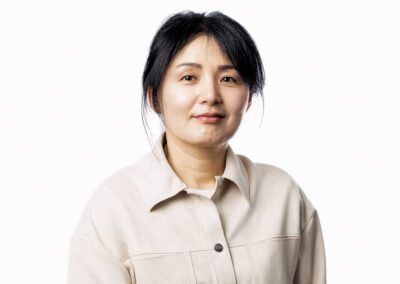
Our Herbalists




Frequently Asked Questions
What is Herbal Medicine?
Herbal medicine is a traditional medicine that uses natural herbs and herb formulas to prevent and treat disease and a great number of conditions. These herbs and formulas can come in a variety of forms.
What Is Traditional Herbal Medicine?
Traditional herbal medicine, or Chinese herbal medicine, is the use of natural herbs and herb formulas to prevent and treat disease and a great number of conditions. These herbs and formulas can come in a variety of forms such as raw (dried or chopped), powdered (granules or capsules), tablets, or a liquid tincture. They can be ingested or used topically (in lotions, gels, creams, or added in bathwater).
Is Chinese Herbal Medicine Safe?
Yes, herbal medicine is considered a safe treatment for prevention and healing. As opposed to pharmaceuticals, herbal medicine is a non-invasive, natural way that enhances your body’s own ability to heal itself. As a result, negative side effects are minor and extremely rare compared to pharmaceuticals and surgery. Additionally, we perform a detailed consultation to ensure we find the right herb or herb formula specific to you.
Is Herbal Medicine Really Effective?
Chinese herbs were used as a medicine long before acupuncture. The pharmacopeia developed from experience – traditional medical practitioners used the herbs and noticed certain results. This knowledge was passed down in families and communities. The knowledge was then compiled by members of the Emperor’s court. There are over 3000 years of knowledge that go into Chinese herbal formulas. Research through a Western lens is just beginning to scratch the surface of the effective mechanisms in the herbs – they are discovering active ingredients and trace elements that work together. In formulas, herbs work together to counteract side effects and enhance effectiveness.
We also hear about the effectiveness from our patients in how they sleep better, have better fertility outcomes, have reduced pain, have better digestion, have less anxiety, and feel more focused and present.
How Does Chinese Herbal Medicine Work?
The use of herbs and herbal formulas has been in practice for thousands of years, and research on how herbal medicine works is expanding. Chinese herbal medicine works to naturally enhance your body’s own ability to heal itself. Herbs and formulas are prescribed based on a patient’s individual diagnosis. The formulations are used to clear conditions that are considered excess, nourish conditions that are considered deficient, or help create balance in the body to promote healing.
What Does Chinese Herbal Medicine Treat?
Herbal medicine is used as preventative medicine for general wellness and to treat many conditions, both physical and mental in nature. This medicine naturally treats the body from the inside out, nourishes the blood, rebalances energy, calms the mind, and anchors the spirit. You may find relief for certain symptoms, like improved sleep, but herbal medicine also treats the root cause of the issue, such as an overactive mind, pain, or stress.
Does Herbal Medicine Have Side Effects?
Herbal medicine is extremely popular due to its lack of side effects. However, herbal medicine is a very powerful treatment and should only be used after thorough consultation from a qualified herbalist.
How Long Does Herbal Medicine Take to Work?
No two people are alike. They differ mentally, physically, and emotionally. We take pride in treating each patient as a unique individual and taking the time to learn their unique history in order to create a custom treatment plan. As a result of this high level of customization, results vary from patient to patient. Some may feel results in a few weeks, while others may need months to experience desired results.
What To Expect
You can expect to find a partner in your health journey.
At Transformational Acupuncture, we strive to provide a welcoming environment to each and every patient. We understand traditional healthcare can make some wary of seeking help, even if it’s for the betterment of their health. That’s why we take a holistic approach when treating each person. You will be listened to, treated with respect, and be seen as a true partner in your own health journey.
At the beginning of your treatment you’ll be asked some basic questions so we can establish a good baseline. From there we’ll discuss your specific needs and issues. After hearing from you, we’ll create a holistic plan that is designed to help you live the balanced, healthy life you deserve.
Your Patient Journey
At the beginning of your treatment, you’ll be asked some basic questions so we can establish a good baseline. From there we will discuss your specific needs and issues. After hearing from you, we will create a holistic plan that is designed to help you live the balanced, healthy life you deserve.
Learn more about your complete patient journey.
Get Started Today
Begin your holistic health journey by scheduling an appointment today. Schedule online or give us a call at (202) 297-7404.
To learn if your insurance covers acupuncture and other treatments, please fill out our short form to verify your benefits with us.
Clients Love Our